
Children's Eye Health and Safety Month
As children head back to school, healthy vision plays an important role in learning, development and safety. Learn the signs of potential vision problems and simple ways to help protect your child’s eyes.
Children's Eye Health and Safety Month is observed in August and stresses the important role healthy vision plays in a child's learning and development. The timing is perfect, too, just before the kids head back to school.
One in four children has an undiagnosed vision problem and many don’t know how to express what they’re experiencing. Left untreated, these issues can impact academic performance, behavior, social development and even physical safety. Some pediatric eye issues include nearsightedness (myopia), farsightedness (hyperopia), astigmatism, amblyopia (lazy eye), or strabismus (crossed or misaligned eyes).
SIGNS YOU SHOULD SCHEDULE AN EXAM
Children don’t always realize something is wrong with their vision, so it’s important to watch for symptoms. Here are some signs that your child or a child you care for might be experiencing vision issues:
- Frequent squinting, eye rubbing, or blinking
- Tilting the head or covering one eye to see
- Sitting too close to the TV or holding books very close
- Poor hand-eye coordination
- Difficulty concentrating or reading
- Avoiding close-up work or outdoor activities
- Complaining of frequent headaches or tired eyes
WAYS TO HELP KEEP YOUNG EYES HEALTHY
The American Academy of Ophthalmology shares the following recommendations to help you and your child protect their eye health before issues arise.
- Schedule comprehensive exams: School screenings miss many problems; full exams check eye alignment, focus, and overall health. A comprehensive exam is recommended annually, beginning at five years old, or earlier if they show any symptoms mentioned above.
- Encourage outdoor play: Natural light and outdoor time help lower the risk and progression of nearsightedness (myopia).
- Use protective gear: Always use shatterproof sports goggles or safety glasses during high-impact sports, yard work and activities that could involve flying debris or objects. Also, sunglasses won’t protect eyes from flying debris, but they can shade eyes from sun damage.
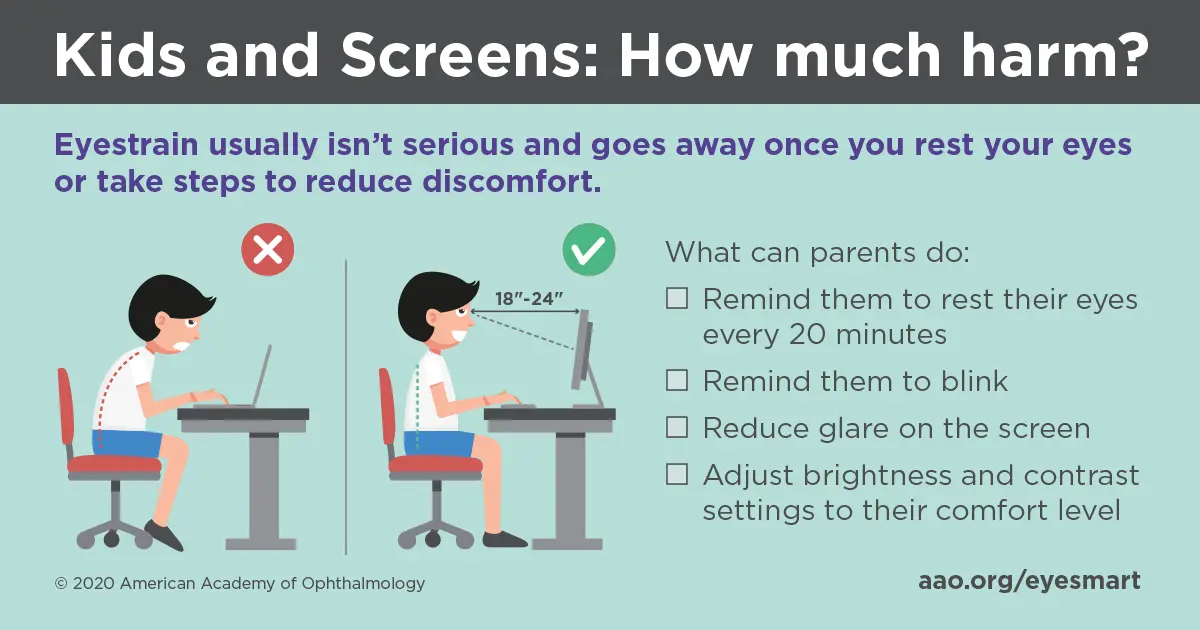
- Manage screen time: Follow the 20-20-20 rule—every 20 minutes, look at something 20 feet away for 20 seconds to reduce eye strain.
RESOURCES THROUGH OUR VISION INSURANCE PROVIDER
You don’t need vision insurance to see an eye doctor. If you are enrolled in Olympic Steel’s vision insurance through VSP (Vision Service Providers) you can find an in-network eye doctor and more at vsp.com.
If you have any questions about benefits, reach out to our Benefits Team at 216.682.4070.
