
Pride Month: A Brief History
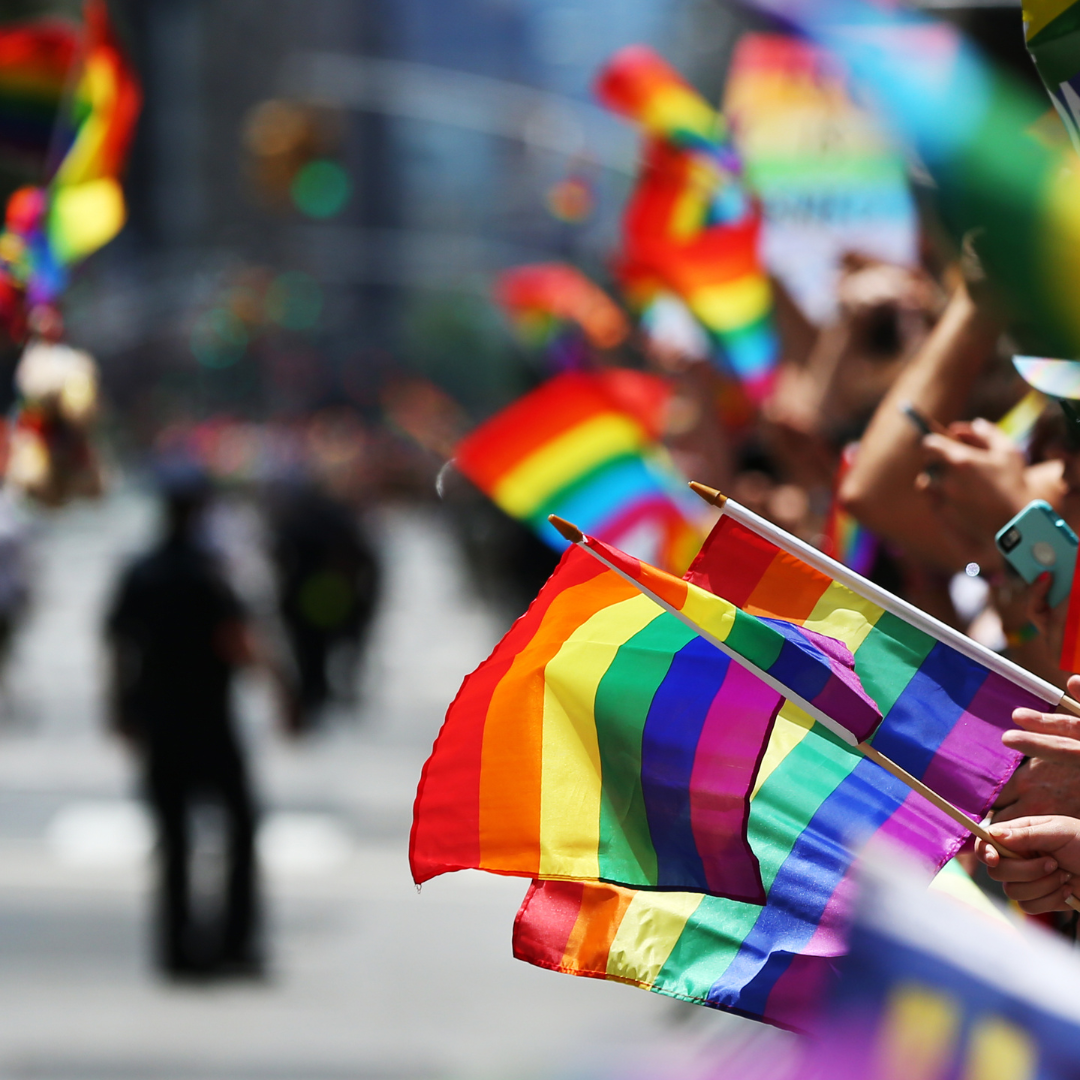
Pride Month is observed each June and recognizes lesbian, gay, bisexual, transgender and queer (LGBTQ) history, while celebrating the contributions and experiences of LGBTQ communities.
Every June, many communities around the world observe Pride Month, a time to recognize the history, culture and experiences of lesbian, gay, bisexual, transgender and queer (LGBTQ+) people. While celebrations often include parades, festivals, and community events, Pride Month also has important historical roots.
Pride Month is observed in June because it commemorates the Stonewall Uprising, which began on June 28, 1969, in New York City. The events started after a police raid at the Stonewall Inn, a gathering place for LGBTQ+ people. In the days that followed, protests and demonstrations took place, and many historians consider these events a turning point in the modern LGBTQ+ rights movement.
One year later, on the anniversary of the uprising, people gathered in New York City and several other cities for marches and events that are widely regarded as the first Pride celebrations. Over time, these observances expanded from a single day into a month-long commemoration held each June.
Today, Pride Month serves as an opportunity to learn about LGBTQ+ history, recognize contributions made by LGBTQ+ individuals and promote understanding within communities. While celebrations vary from place to place, the month remains connected to its historical origins in June 1969.
Learn More
Interested in exploring the history of Pride Month in greater detail? Try these resources:
Library of Congress: Pride Month Resources – The collections of the Library of Congress contain books, posters, sound recordings, manuscripts and other material produced by, about and for the LGBTQ community. The contributions are preserved as part of our nation’s history and include noted artistic works, musical compositions and contemporary novels. The Library’s American collections range from the iconic poetry of Walt Whitman through the manuscripts of the founder of LGBTQ activism in Washington, D.C., Frank Kameny.
Congressional Research Service: Pride Month Fact Sheet – Includes a background and history, legislation, congressional speeches and recognition, presidential proclamations and remarks, statistics, and historical and cultural resources.
Encyclopedia Britannica – An interactive resource with linked references that offer additional information related to keywords.
