
From Labels to Training: How Hazard Communication Protects You
Hazard communication gives workplace risks visibility, so employees can work safely and confidently. Through clear labeling, accessible safety data sheets and practical training, hazard communication helps prevent injuries and builds a shared culture of safety.
Walk into any manufacturing setting and you’ll see motion everywhere: machines humming, forklifts moving product, materials being transferred and transformed. What you don’t always see clearly are the hazards that come with that activity. Hazard communication is the system that makes those risks visible and understandable, so employees can protect themselves and each other while getting the job done.
At its core, hazard communication is about sharing the right information with the right people at the right time. In a our production environment, this usually means making sure employees know what chemicals and physical hazards they’re exposed to, what those hazards can do and how to work safely around them. It’s not meant to scare people or slow production down. When done well, it builds confidence because workers know what they’re dealing with and how to handle it appropriately.
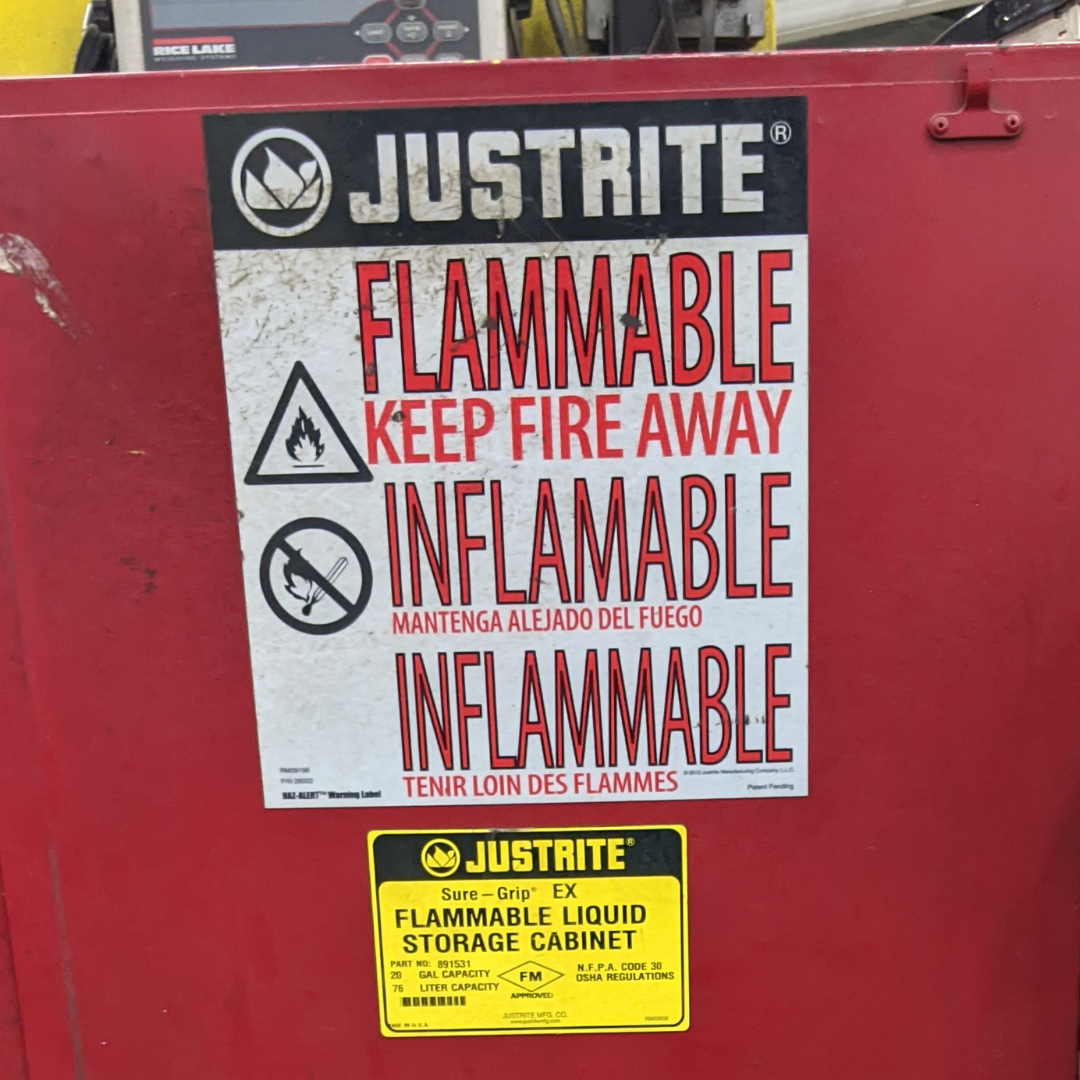
One of the most familiar parts of hazard communication is labeling. Containers holding hazardous chemicals need clear, consistent labels that identify what’s inside and what the risks are. These labels typically include signal words, hazard statements, and precautionary information. In a busy plant, labels are often the first line of defense, especially when employees move between stations or shifts change. If a label is missing, damaged, or confusing, the system breaks down quickly.
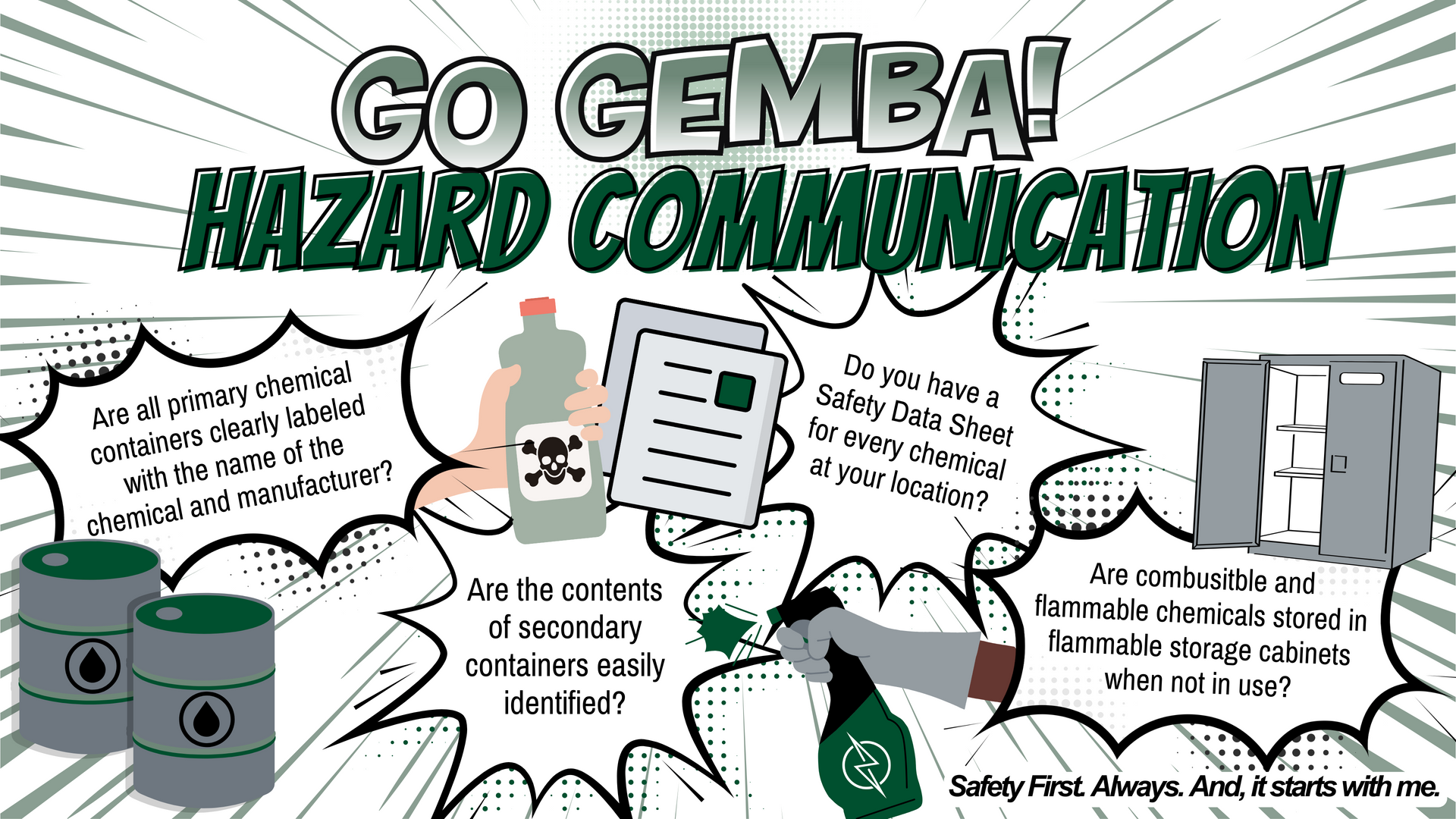
Another key piece is the safety data sheet, referred to as SDS. This document provides detailed information about a chemical’s properties, health effects, safe handling, storage, and emergency response. Across Olympic Steel, SDSs should be easy to access, whether that’s through a physical binder on the floor or a digital system employees know how to use. It’s not enough for SDSs to exist somewhere in the building; workers need to know where they are, have confidence that they are current and complete and feel comfortable looking at them when questions come up.
Training ties everything together. Hazard communication training helps employees understand how to read labels, interpret safety data sheets and recognize the hazards specific to their job. Training should be ongoing, especially when new employees join the team, new chemicals are introduced or processes change.
Hazard communication isn’t just about chemicals, either. Manufacturing settings often involve noise, heat, moving equipment and ergonomic risks. While chemical hazards are heavily regulated, all Olympic Steel facilities should expand communication efforts to cover these other dangers as well. Clear signage, verbal briefings, and a culture that encourages speaking up about hazards all support the same goal: preventing injuries and illnesses before they happen.
Ultimately, hazard communication works best when it’s treated as a shared responsibility: set expectations, provide resources, and keep information up to date. Everyone contributes by following procedures, asking questions, and reporting problems like missing labels or unclear instructions. When we’re all informed and engaged, hazard communication becomes less of a compliance task and more of a daily habit that keeps the workplace safer for everyone.
Safety First. Always. And, it starts with me.
