
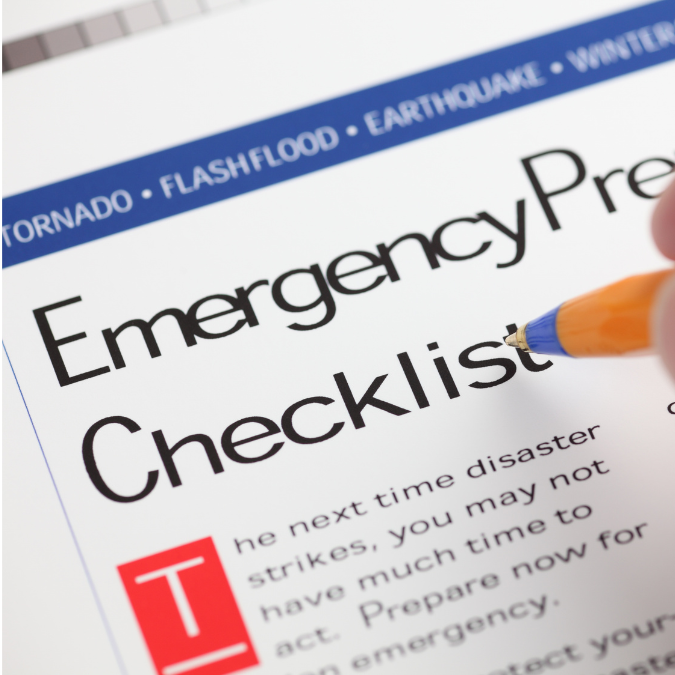
Emergency Preparedness: Know Before You Go
Emergencies can happen when we least expect them, but being prepared can make all the difference. Learn a few simple do’s and don’ts to help keep yourself and your coworkers safe during an emergency or evacuation drill.
From fires and severe weather to workplace violence and other unexpected situations, emergencies can happen anytime and anywhere. While we hope we never have to use our emergency plans, knowing what to do before something happens can make all the difference when every second counts.
That’s why emergency drills are so important. They give us a chance to practice our response, identify potential problems and make improvements before we’re faced with a real emergency. When a drill is scheduled, take it seriously and treat it as though it were the real thing.
A few simple habits can help keep everyone safer.
DRILL DO’S
- Keep evacuation routes clear. Don’t block hallways, doorways, stairwells or emergency exits (not just during a drill, but year-round).
- Know your evacuation route. Be familiar with the closest emergency exits and the designated gathering area for your location.
- Evacuate promptly. When instructed to leave, move calmly and quickly to the designated area.
- Speak up if you need assistance. Let your supervisor know about any physical limitations or other concerns that could make it difficult for you to reach safety.
- Stay at the designated location. Remain there until you receive an official “all clear” or further instructions.
- Share feedback. If you notice something that worked well or something that could be improved, please speak up. Your feedback can help make future drills and emergency responses more effective.
DRILL DON’TS
- Don’t assume it’s just a drill. Treat every drill as a real emergency so you can build good habits.
- Don’t stop for personal belongings. Leave immediately and don’t return to your workstation for your phone, bag, jacket or other items.
- Don’t automatically head for the main entrance. Use the closest safe emergency exit and follow your site’s evacuation plan.
- Don’t socialize or create distractions. Stay calm, remain aware of your surroundings and listen for instructions.
- Don’t use elevators during an evacuation. Take the stairs unless emergency personnel direct you otherwise.
- Don’t return to the building until you’re told it’s safe. Wait for the official “all clear” before going back inside.
Know Your Plan Before You Need It
One of the easiest things you can do to prepare is to know your site’s emergency procedures before an emergency occurs. Take a few minutes to locate your nearest emergency exits, review the evacuation map and identify your designated gathering area.
It’s also a good idea to think about emergency preparedness beyond the workplace. Having basic supplies on hand at home or in your vehicle can help you be ready when unexpected situations arise. Safety Kits Plus offers prepackaged emergency supplies and resources outlining six essentials to keep on hand. Ready.gov also has resources to help you during disasters and emergencies, including a step-by-step guide to “Make A Plan” for when disaster strikes.
The goal of emergency preparedness isn’t to worry about what could go wrong, it’s to feel confident that you know what to do when it matters.
Visit OSSIE to find site-specific evacuation plans for your location. Evacuation maps should also be posted throughout your building. If you have questions about your evacuation plan, please see your local Safety contact.
Safety First. Always. And it starts with me.
