Powered Industrial Truck Safety
Powered industrial trucks (PIT) —think forklifts, pallet jacks, and other motorized equipment—are a critical component to moving heavy loads safely. Learn ways to stay safe while working with or around PITs.
Whether there are powered industrial trucks (PIT) at your facility or not, chances are you’ve probably seen them in action at one of our facilities or somewhere else: construction site, a department store or other warehouse. These workhorses—think forklifts, pallet jacks, and other motorized equipment—are critical for moving heavy loads. But they can also pose serious safety risks if not handled properly.
Let’s chat about how to stay safe while working with or around powered industrial trucks.
- Know Your Machine - First things first: not all PITs are created equal. Each type has unique controls, weight limits, and handling quirks. Always read the manual and complete any required training before operating one.
- Training Isn’t Optional - The Occupational Safety and Health Administration (OSHA) mandates that operators must be trained and certified for the specific type of PIT they’ll be using. This training isn’t just about compliance—it’s about keeping everyone safe. A well-trained operator can prevent accidents caused by improper loading, reckless driving, or simple mistakes.
- Pre-Shift Inspections - Before operating your PIT, INSPECT IT! Look for worn tires, leaking fluids, or faulty brakes. If something feels off, don’t risk it—report it and use a different truck. A small issue can quickly turn into a big problem.
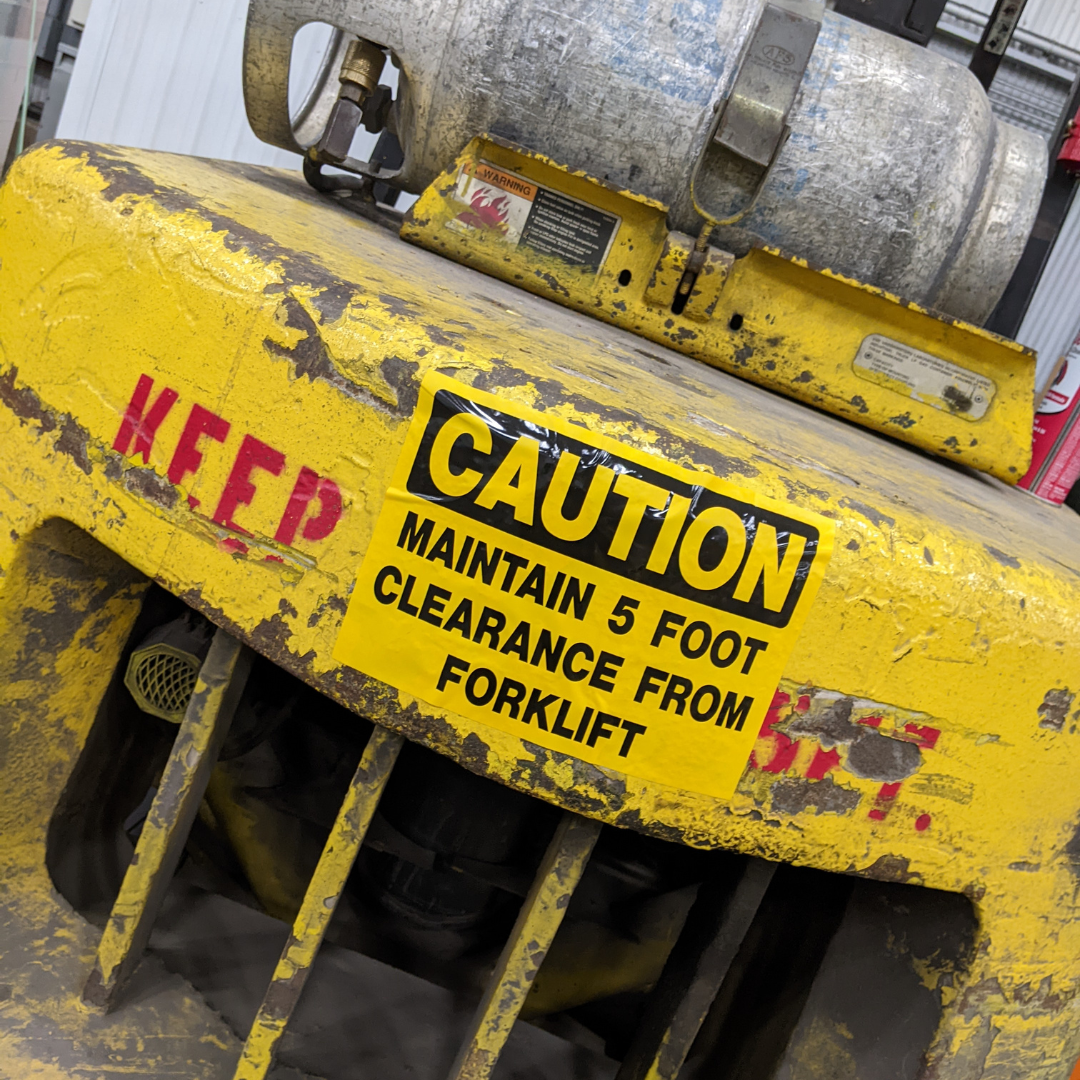
- Mind Your Surroundings - Always keep an eye out for pedestrians, uneven surfaces, and obstacles in your path. Use your horn at blind corners and intersections. And remember, forklifts aren’t racecars.
- Load It Right - Overloading or improperly stacking materials can lead to tipping. Always check the load capacity, balance your cargo, and secure it to prevent shifting during transport.
- Wear the Gear - Personal protective equipment (PPE) like steel-toed boots, gloves, and high-visibility vests are your best friends. And don’t forget that seat belt!
- No Passengers, Please - PITs are designed to carry loads, not people. Unless the manufacturer explicitly allows it, keep passengers off the truck.
- Park Smart - When you’re done, park your PIT in a safe, designated area. Lower the forks to the ground, set the parking brake, and turn off the engine.
TRAINING AND RETRAINING
The OSHA standard requires that prior to permitting any employee to operate a powered industrial truck (except for training purposes), the employer must ensure that each operator has successfully completed the training required for the vehicle they’ll be operating. This applies to all operators in your facility, even if they have prior experience. BOTH classroom and hands-on training must be part of the certification process.
Operators must be recertified every three (3) years. Forklift trainers must also complete a train-the-trainer course every three years. And, per OSHA, retraining is required after any of the following events:
- The operator has been observed to operate the vehicle in an unsafe manner.
- The operator has been involved in an accident or near-miss incident.
- The operator has received an evaluation that reveals they are not operating the truck safely.
- The operator is assigned to drive a different type of powered industrial truck.
- A condition in the workplace changes in a manner that could affect safe operation of the truck.
NOTE: For ALL of the training/certification requirements mentioned above, the operator is not allowed to operate a powered industrial truck until retraining/recertification has been successfully completed.
POKA YOKE POWER
Over the years, we’ve implemented some great ideas to help reduce the safety risks associated with powered industrial trucks. Here are a few:
November 2022 – Winder, GA: Created a forklift “parking lot” for forklifts. Forklifts are assigned a parking space and parked there when not in use. Each parking space includes a post where the pre-shift checklists are kept for easy review by others.
July 2024 – Milford, CT: Installed a forklift fork tilt level indicator to show operators if the forks and load are in the correct position. This lets them know the position precisely.
January 2025 – Gary, IN: Installed lights on the forklift that indicate a safe distance away from the sides of the truck and arrows that show which direction the truck is moving.
January 2025 – Schaumburg, IL: Installed lights that indicate a “red zone pedestrian warning light”. The red beam shows a safe distance the pedestrian should keep between them and the fork truck.
Powered industrial trucks make heavy lifting a breeze, but safety should always come first. By following these tips, staying vigilant and implementing your own safety improvement ideas, you can help create a safer work environment for everyone. Stay alert, stay informed, and always respect the power of these machines.
Safety First. Always. And, it starts with me.
